
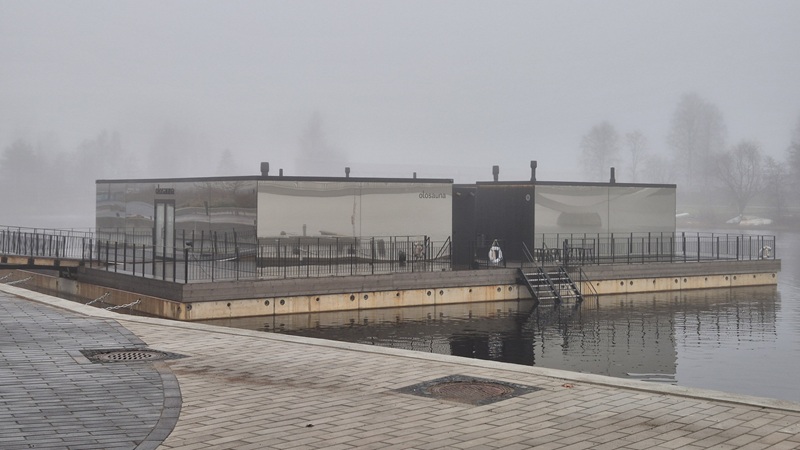
A floating sauna in Australia could become one of the most unusual leisure attractions along Adelaide’s coastline. In Glenelg, at Holdfast Marina, a proposal is being considered for a floating platform covering approximately 100 square metres, featuring two saunas, a cold plunge pool and relaxation areas. Unlike traditional sauna buildings, the complex would be located directly on the water, offering visitors an opportunity to enjoy sauna bathing in a distinctive coastal setting. However, the project has not yet received final approval, with further consideration scheduled for 27 October 2026.
Sauna culture continues to evolve around the world, with growing interest not only in sauna rituals themselves but also in the locations where they can be experienced. Traditionally, saunas are associated with wooden buildings beside lakes, rural properties or wellness resorts. Modern architecture, however, is introducing floating structures, mobile saunas and smaller public sauna complexes into urban environments. The Australian proposal is particularly interesting because it aims to combine the sauna traditions of Northern Europe with Adelaide’s coastal lifestyle, where beaches, marinas and water sports play an important role.
Floating Sauna in Australia – What Does the Unusual Project Include?
The proposal for Holdfast Marina centres on a floating platform measuring approximately 100 m², designed to accommodate two saunas, a cold plunge pool and dedicated relaxation areas. This arrangement would create a sauna destination within the marina itself rather than inside a conventional building onshore. The project’s defining feature is the combination of sauna bathing and a waterfront environment, potentially attracting both local residents and tourists seeking distinctive leisure experiences.
Having two saunas within the same complex could allow different groups to visit simultaneously or support several types of sauna sessions. The cold plunge pool would provide a designated place for cooling down after exposure to sauna heat. This combination of hot and cold experiences is familiar in Finland and other Nordic countries, but it would take on a different architectural and tourism context along Australia’s coastline. The precise operating arrangements, admission prices and opening date have not yet been confirmed, so the proposal remains at the planning stage.
Why Is Glenelg the Proposed Location?
Glenelg is one of Adelaide’s best-known coastal destinations in South Australia. Its beaches, restaurants, hotels, marina facilities and waterfront activities attract both residents and visitors. Holdfast Marina already supports tourism and leisure activities, making the floating sauna proposal a potential addition to the area’s existing attractions. At the same time, it would offer an experience quite different from conventional beach activities and water sports.
However, establishing a floating leisure facility in a marina is considerably more complicated than building a sauna on land. The stability of the floating structure, safe access from the shore, nearby boat traffic, visitor movement and possible effects on marina operations must all be assessed. Fire safety, electricity supply, water services and wastewater management also require careful consideration. For these reasons, a floating sauna is not merely an interesting architectural feature but a complete infrastructure project requiring detailed planning.
Why Has the Floating Sauna Project Not Yet Been Approved?
Further consideration of the proposal has been postponed until 27 October 2026, and a final decision on whether it can proceed has not yet been announced. This distinction is important because public discussion of a development proposal does not mean that construction permission has been granted or that the project has received final approval. Depending on the assessment, additional documentation, technical modifications or further approvals may be required.
At present, there is no basis for claiming that the complex will definitely be built or that it will open on a particular date. Nevertheless, the proposal itself is noteworthy because it reflects interest in new types of coastal leisure facilities in Australia. If the necessary approvals are granted, the development could become an interesting example of how traditional sauna experiences can be adapted to a modern marina environment.
Floating Saunas Around the World – Unusual Architecture or a New Leisure Trend?
Floating saunas are not an entirely new invention. Similar facilities can already be found in Finland, Sweden, Norway and other countries where sauna traditions have historically been closely connected with lakes, rivers and coastlines. Some floating saunas are small private structures, while others operate as public leisure facilities where visitors can book individual sessions or reserve an entire sauna. Their appeal lies not only in the opportunity to warm up but also in their distinctive location, waterfront views and unusual atmosphere.
The Australian proposal is interesting because it introduces this concept into a country where leisure culture is strongly associated with the ocean, beaches and outdoor activities. This does not mean floating saunas have already become a widespread trend in Australia, but the Glenelg proposal demonstrates how leisure traditions from different regions can be combined. Sauna architecture is increasingly about more than the building itself – the surrounding environment is becoming an important part of the sauna experience.
Why Is the Cold Plunge Pool an Important Part of the Project?
The cold plunge pool included in the Australian proposal is more than a decorative addition. In many sauna traditions, heating and cooling form part of a shared bathing routine, with periods in the hot room followed by rest and gradual cooling. In Latvia, ponds, lakes and showers are commonly used for this purpose, while modern public sauna complexes often feature dedicated cold plunge pools. Such facilities can provide a more controlled cooling environment when suitable water quality and safe access are maintained.
At the same time, it is important to remember that sudden transitions from heat to cold are not suitable for everyone. Cold water can trigger rapid changes in breathing, heart rate and blood pressure, making caution and consideration of individual health particularly important. Public facilities must provide well-designed visitor routes, non-slip surfaces, safe pool access and clear operating rules. A successful sauna complex is not defined solely by impressive architecture – visitor safety and responsible management are equally important.
Could a Floating Sauna Become an Attractive Leisure Option in Latvia?
In Latvia, sauna bathing and proximity to water have long been closely connected. Many traditional saunas are situated beside lakes, rivers or ponds, and the opportunity to cool down in natural water after heating up is an important part of the sauna experience. The concept of a floating sauna is therefore not unfamiliar to Latvian conditions, although implementing such a project requires a different technical approach from constructing a conventional sauna onshore.
For floating structures, the rules governing water use, access, safety, environmental protection and necessary approvals must all be considered. Particular attention should be given to platform stability, correct heater installation and safe movement for visitors. However, if these issues are professionally addressed, a small floating sauna could complement an existing tourism or leisure business. The diversity of Latvia’s sauna industry can also be explored in our Latvian Sauna Directory, which features different sauna experiences and leisure opportunities.
The Australian example also encourages discussion about the future of the sauna industry. New experiences do not always come from installing a more powerful heater, introducing a modern control system or creating an unusual interior. Sometimes changing the location itself is enough to give a familiar sauna experience an entirely different character. Naturally, this should never come at the expense of safety or environmental requirements, but such projects may inspire new ideas among architects and tourism entrepreneurs.
What Happens Next with Australia’s Floating Sauna Proposal?
The next significant date for the Glenelg project is 27 October 2026, when further consideration is scheduled. Until then, it remains unclear whether the proposal will receive the necessary support and what conditions might be imposed on its development. The start of construction, opening date and detailed visitor arrangements have also not been confirmed. The project’s progress will therefore be worth following after the scheduled decision.
A floating sauna in Australia featuring two saunas, a cold plunge pool and relaxation areas could become an unusual addition to Adelaide’s coastal leisure attractions. Although the project is still awaiting a final decision, the proposal itself demonstrates the growing diversity of modern sauna architecture. From traditional wooden saunas to floating complexes, sauna culture continues to evolve by combining long-established traditions, contemporary design and new opportunities for relaxation.
Sources
AdelaideNow – reporting on the proposed floating sauna complex at Holdfast Marina and the postponement of its consideration until 27 October 2026.
City of Holdfast Bay – information on development and planning in the Glenelg and Holdfast Marina area.
South Australian Planning Portal – South Australia’s planning and development assessment system.
